The best time to prepare for a hard winter is before it arrives. A few hours of preparation in autumn keeps your home warm, your fuel efficient, and your family safe when temperatures plunge.
Service the heating system first
The single most valuable step is an annual professional tune-up of your furnace or boiler, done before the heating season begins. A technician cleans the burner, replaces the fuel nozzle and filter, checks the heat exchanger, and adjusts combustion so the system runs at peak efficiency. This both lowers fuel use and catches small faults before they become a no-heat call on a sub-zero night.
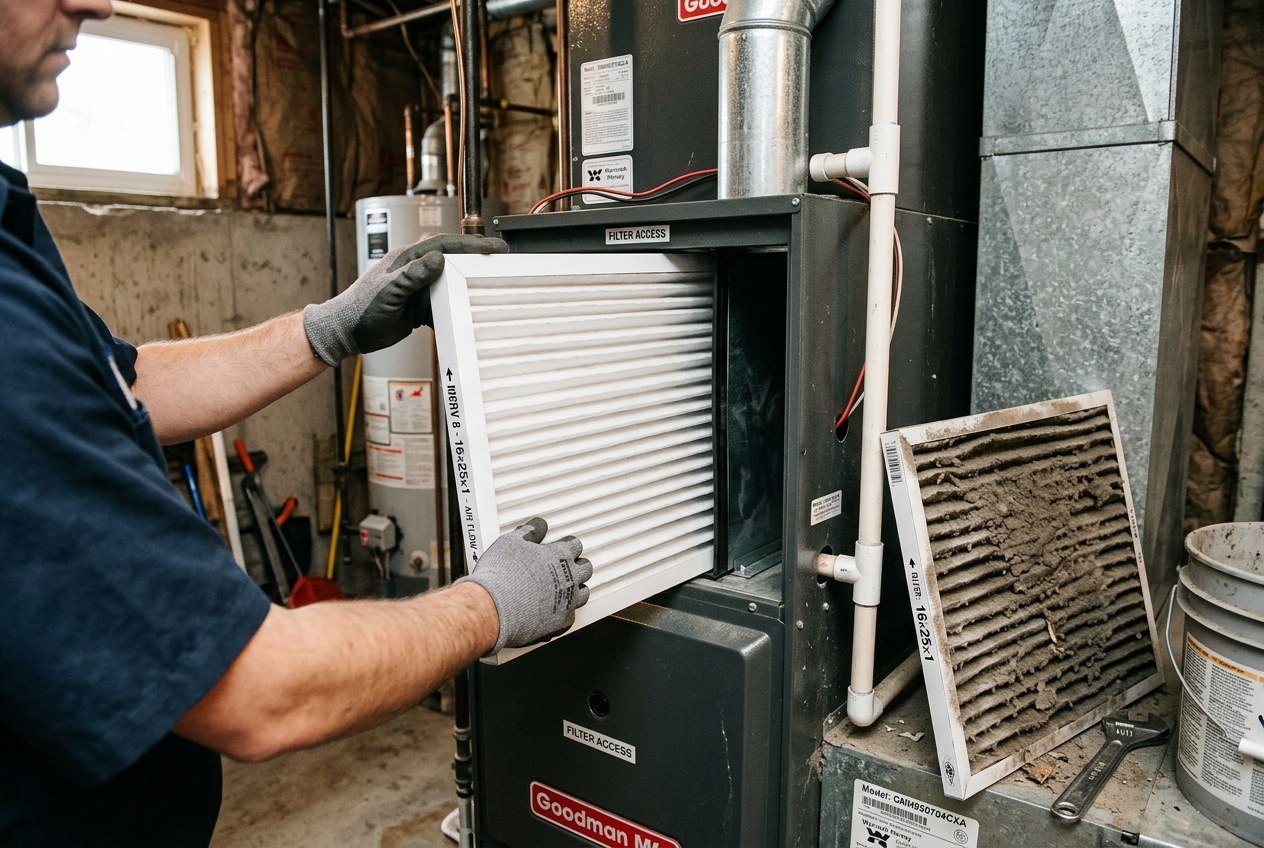
Between professional visits, replace or clean your furnace air filters regularly. A clogged filter chokes airflow, strains the blower, and wastes fuel. It is the easiest maintenance task there is, and one of the most impactful.
Seal the house against the cold
Even a perfectly tuned system loses the battle if warm air pours out through gaps. Air sealing and insulation are where comfort and fuel savings meet.
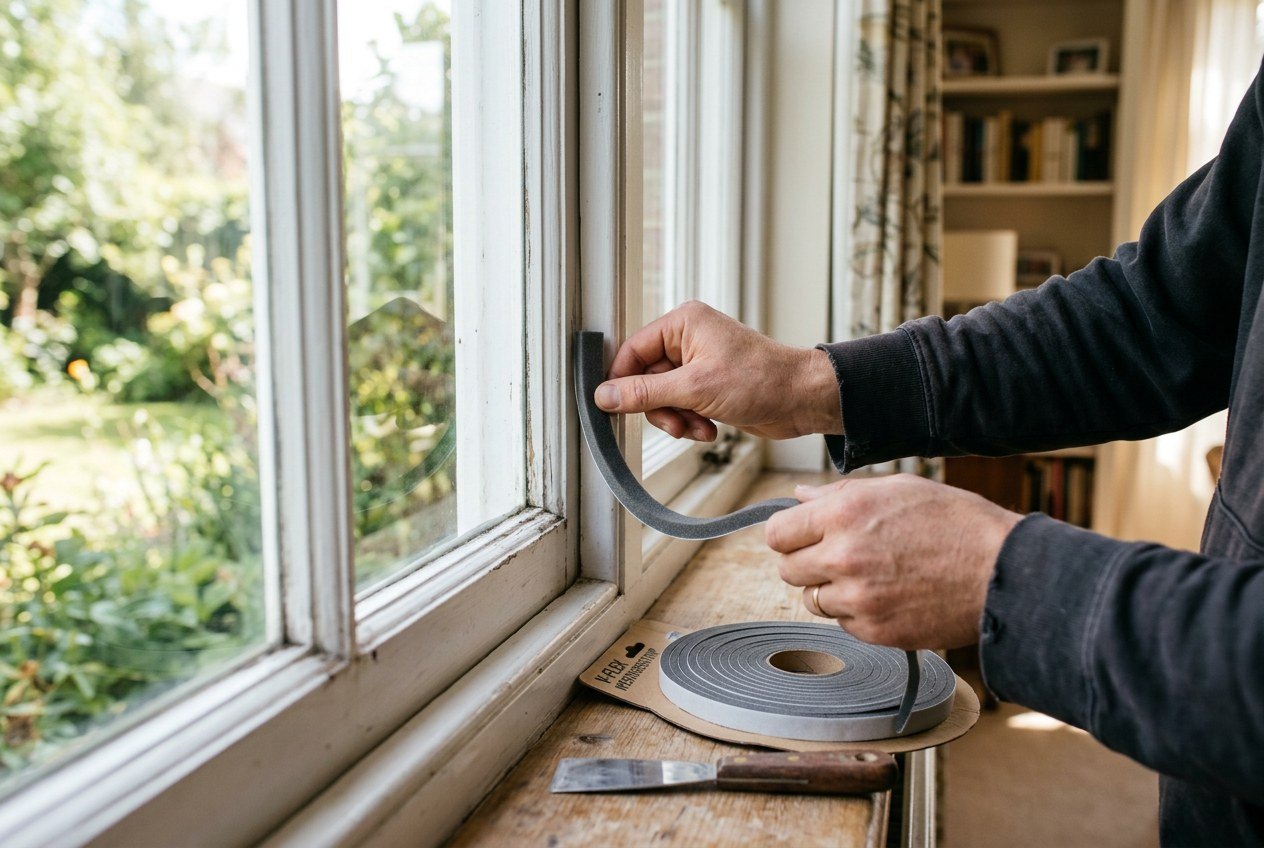
- Weatherstrip doors and windows. Feel for drafts on a windy day and seal the leaks you find.
- Caulk gaps around window frames, where pipes and wires enter the house, and along the sill where the foundation meets the framing.
- Check attic insulation. Heat rises, and an underinsulated attic is one of the biggest sources of loss in a cold-climate home.
- Cover or seal drafty spots like unused fireplaces, pet doors, and old mail slots.
Protect the plumbing
Frozen pipes are one of winter's most expensive hazards. Insulate any pipes that run through unheated spaces — crawl spaces, garages, exterior walls. Disconnect and drain outdoor hoses and shut off the water to exterior spigots. During an extreme cold snap, letting a faucet trickle and opening cabinet doors under sinks lets warm air reach vulnerable pipes.
Never let the house go fully cold to save fuel while you are away. Keeping the thermostat at a modest minimum protects pipes and the tank far more cheaply than repairing freeze damage.
Manage your fuel supply
Running out of oil in the middle of winter is avoidable and worth avoiding — an empty tank can draw sludge and air into the lines and leave you cold during a storm when roads are hard to travel. Check your tank gauge regularly and plan refills well before the tank nears empty rather than waiting for the last quarter. Many households find that a scheduled or monitored delivery arrangement removes the guesswork entirely; see delivery and supply for how that generally works. Heading into the season with a full tank also reduces condensation, as covered under tank care.
Test your safety devices
Any combustion heating system should be paired with working detectors. Before winter, test every smoke alarm and carbon monoxide detector in the home and replace the batteries. Carbon monoxide is odorless and colorless, and a detector is your first line of defense against a venting problem. Make sure the area around your furnace or boiler is clear and that the flue and outdoor vent are unobstructed by debris or, later, by snow.
Ready the rest of the home
- Reverse ceiling fans to the clockwise, low setting to push warm air back down.
- Have the thermostat calibrated or upgraded to a programmable model that eases back the heat when you are asleep or away.
- Clear snow away from vents and the tank fill pipe so exhaust flows freely and deliveries can reach it.
- Stock winter basics — flashlights, batteries, and a plan for extended cold or a power outage.
It's worth doing this preparation early, before the first hard freeze rather than during it. Sealing a draft is far easier in mild autumn weather than at twenty below, and scheduling a heating tune-up in early fall means you're not competing for a technician's time during the season's first cold-weather rush, when everyone's system is being pushed at once. The households that sail through winter are almost always the ones that did the work in September and October.
Remember, too, that a Minnesota winter can bring power outages during the worst storms. An oil furnace or boiler needs electricity to run its pump, blower, and controls, so a prolonged outage will stop the heat even with a full tank. Knowing how you'll cope — whether a backup plan, a generator, or somewhere warm to go — is part of being genuinely ready for the season.
A little foresight turns winter from a source of stress into just another season. Once the house is buttoned up, keep the fundamentals in view: how the system works on the basics page, long-term tank care, and how oil compares to other fuels in oil vs. propane vs. gas.