Your tank is the heart of an oil-heated home — a large, on-site fuel reserve that, with a little attention, will serve reliably for decades. Knowing the tank types and their common enemies keeps small problems from becoming winter emergencies.
Know your tank type
Home heating-oil tanks come in a few basic forms, and the right care depends partly on which you have.
Aboveground indoor tanks
The most common residential tank is a steel or heavy-duty polyethylene tank sitting in a basement or utility room. Indoor tanks are protected from weather and are easy to inspect visually — you can walk up and check the legs, seams, and fittings any time. A typical size holds a few hundred gallons, enough to carry a household through weeks of cold.
Aboveground outdoor tanks
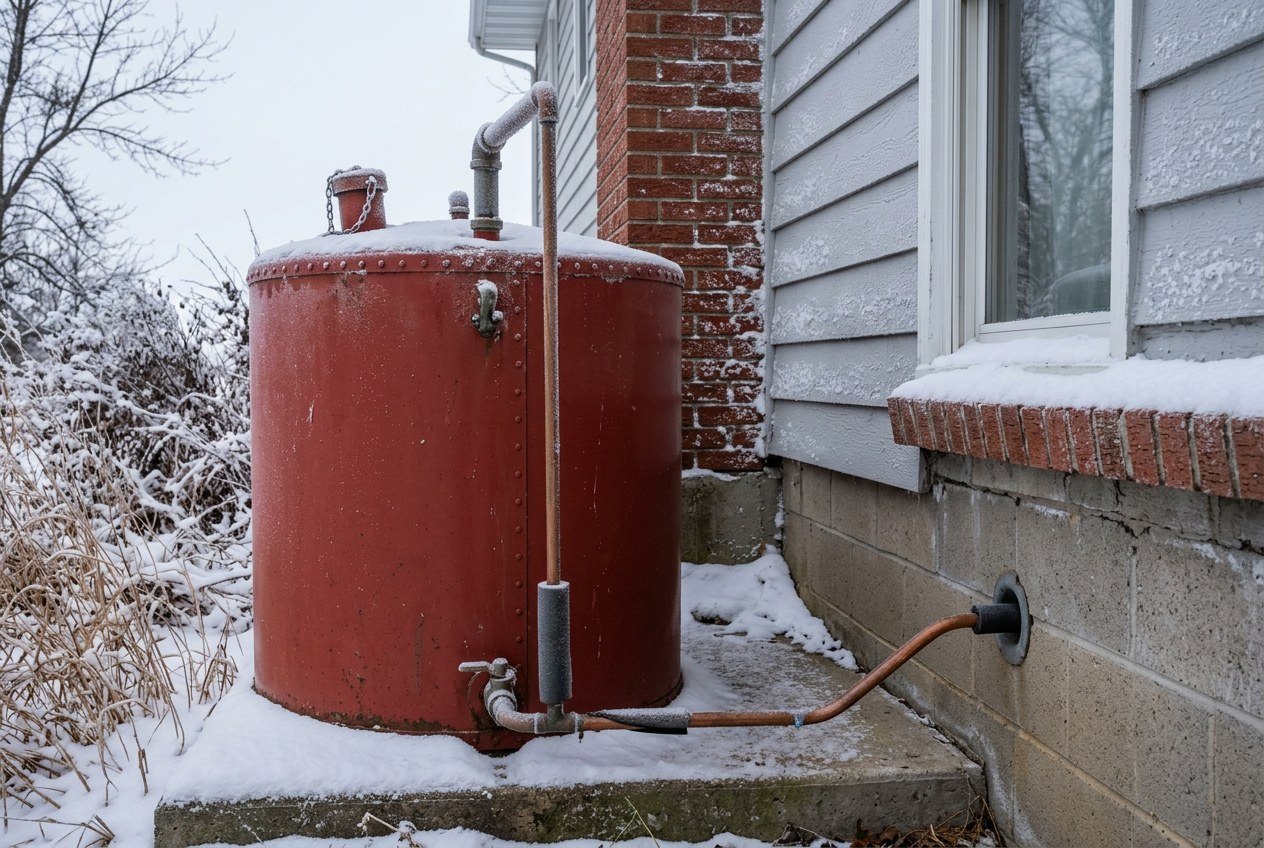
Some homes keep the tank outside, beside the house or under an eave. Outdoor tanks are convenient for delivery but face the added stress of temperature swings and moisture. In a Minnesota climate, the daily freeze-thaw cycle and condensation deserve extra watchfulness.
Underground tanks
Older properties sometimes have a buried tank. These free up space and hide the tank from view, but they are the hardest to inspect and the most consequential if they leak, since a problem may go unseen. Many homeowners with aging underground tanks eventually move to an aboveground replacement for peace of mind and easier monitoring.
The three enemies: water, sludge, and corrosion
Nearly every tank problem traces back to one of three related culprits.
Water
Water is the root cause of most tank trouble. It enters mainly through condensation: when a partly empty tank breathes warm and cold air, moisture forms on the inner walls and trickles down. Because water is heavier than oil, it settles to the bottom, where it does two damaging things — it feeds microbial growth and it sits against the steel, starting corrosion from the inside out.
Sludge
Over time, sediment, oxidized fuel, and the byproducts of microbes that live at the oil-water boundary accumulate into a dark, gummy sludge on the tank floor. Sludge clogs filters and nozzles, and if it gets stirred up it can starve the burner of clean fuel — often at the worst possible moment during a cold snap when the system is running hard.
Corrosion
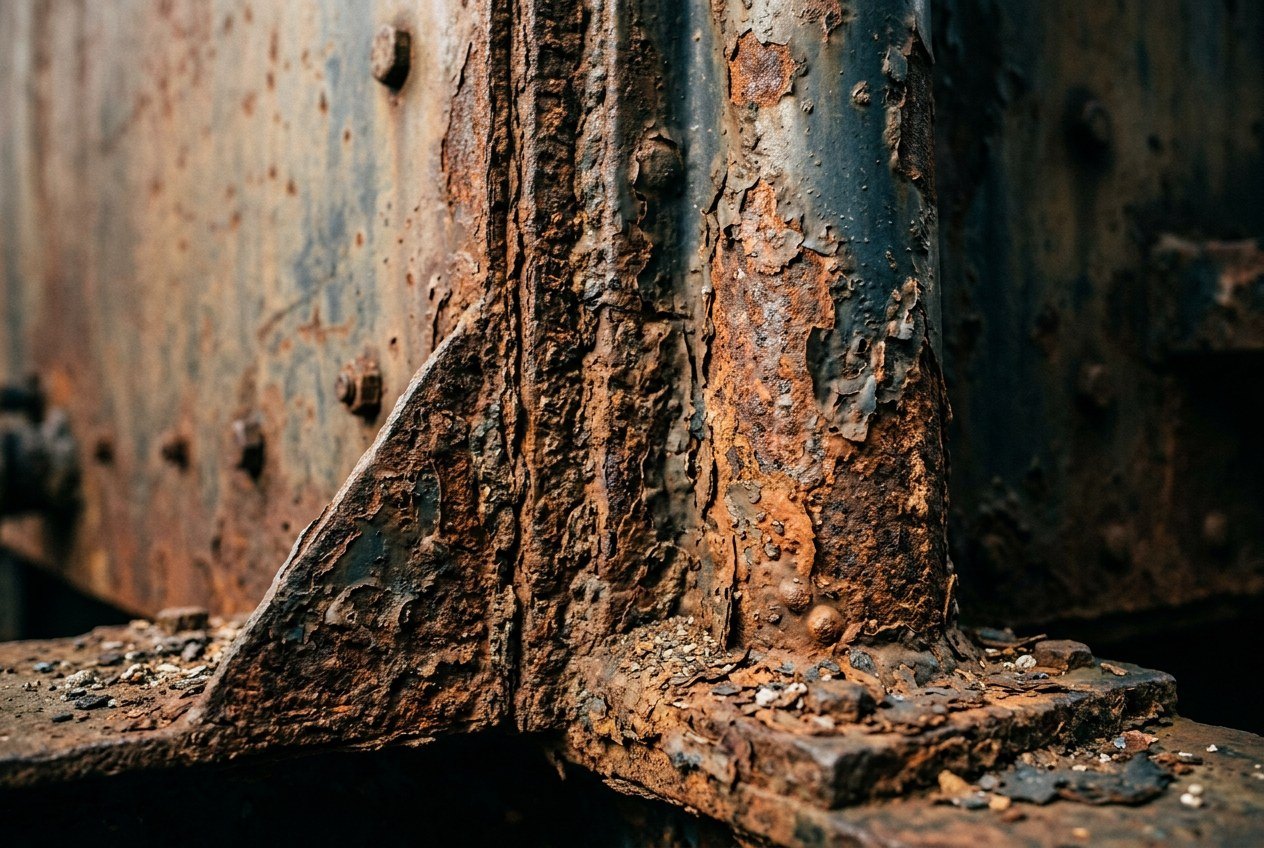
In steel tanks, corrosion usually begins from the inside, driven by that layer of water at the bottom. It can go unnoticed until it produces a weeping seam or, worse, a pinhole leak. This is why the underside and lower seams of a tank deserve the closest inspection. The tricky part is that external appearances can be reassuring while the interior quietly deteriorates — a tank that looks sound on the outside may already be thin at the bottom. A tank on outdoor legs faces the added burden of weather and the daily freeze-thaw cycle, which stresses metal and speeds decay. Because the three problems feed one another — water enables corrosion and nurtures the microbes that make sludge — controlling water at the source is the most effective single defense you have.
Keeping a tank fuller through the off-season leaves less airspace for condensation to form — one of the simplest ways to fight water buildup.
Simple habits that protect your tank
- Look it over regularly. Check for damp spots, rust streaks, staining under the tank, or the smell of oil. Wet or discolored patches on the underside are early warnings.
- Keep it fuller in summer. Topping up before the humid months reduces the empty space where condensation collects.
- Watch the tank legs and base. A tank that has begun to lean or whose legs are corroding needs prompt attention.
- Change fuel filters on schedule. Fresh filters catch sludge and sediment before they reach the burner.
- Mind the vent and fill lines. Blocked vents cause problems during filling; loose fill caps let water and debris in.
Signs it may be time for a new tank
Tanks do not last forever. Weeping seams, persistent surface rust, wet spots underneath, bulging, or an unusually old tank of unknown history are all reasons to consider replacement before a failure forces the issue. A modern double-wall or corrosion-resistant tank offers extra protection and easier monitoring, and replacing a tank on your own terms is far preferable to dealing with a failure in the depths of winter.
A sound tank works hand in hand with clean equipment and a steady supply. Learn how the fuel burns on the heating oil basics page, get the whole house ready with winter prep, and see how refills are scheduled under delivery and supply. Weighing your options entirely? Compare fuels in oil vs. propane vs. gas.